



In a world where business operations evolve at lightning speed, relying on static spreadsheets for coordination has become a major obstacle to efficiency. Excel may once have been the go-to tool for listing assignments, but as teams grow and projects multiply, it quickly turns into a source of confusion and data clutter. Manual updates, lost files, and lack of visibility across departments often lead to missed deadlines and communication breakdowns.
Modern organizations now require dynamic systems that automate, centralize, and visualize work in real time. A digital task management system does exactly that providing structure, accountability, and measurable progress across all projects. It transforms fragmented task tracking into a synchronized, insight-driven workflow that boosts both individual and team performance.
What Is Digital Task Management and How Does It Work?
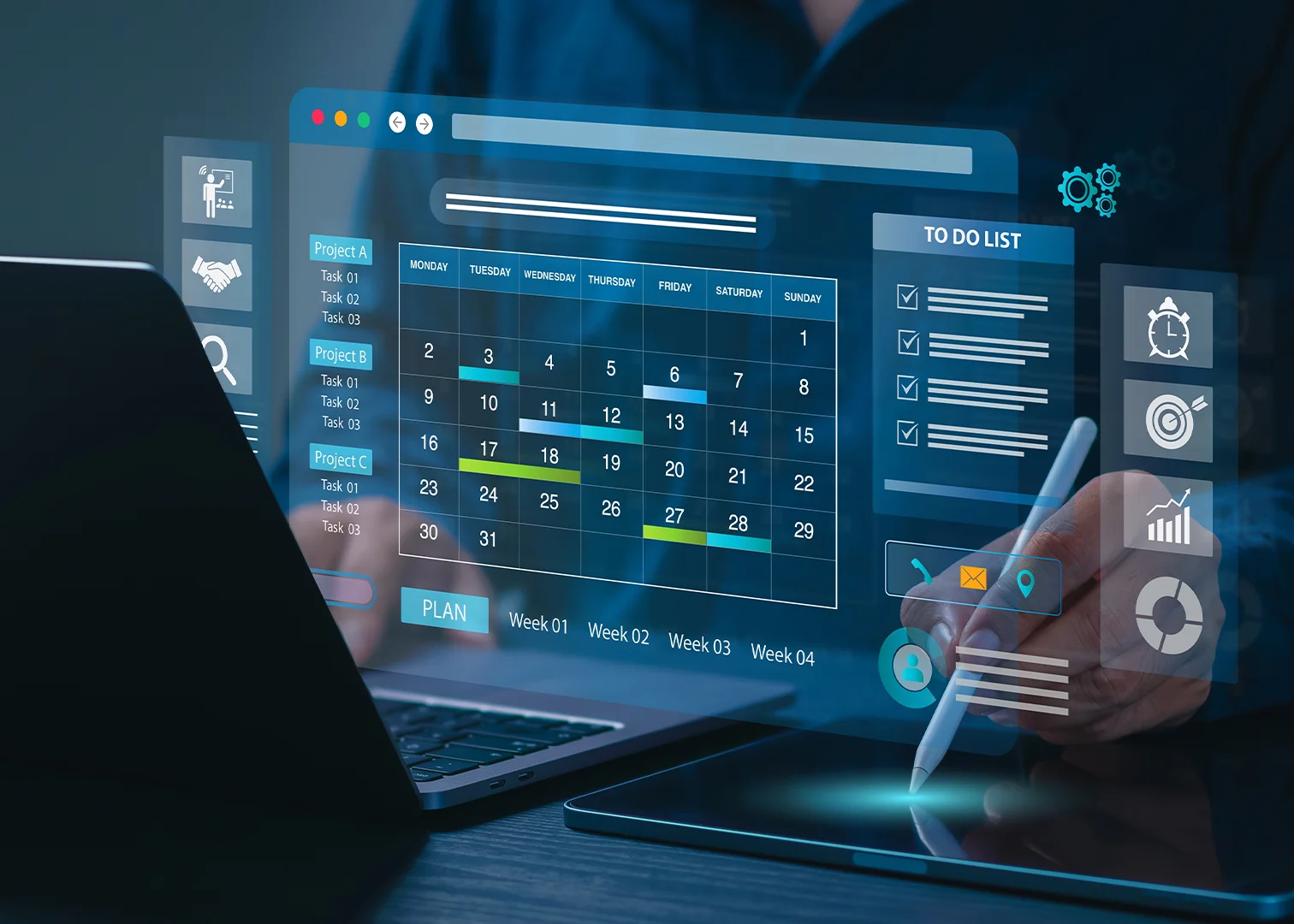
Task management is the process of planning, assigning, monitoring, and completing specific work items within a defined timeframe. A digital task management system brings this process online, allowing teams to collaborate seamlessly regardless of location or department. Instead of juggling multiple Excel sheets or emails, employees can view all assignments, priorities, and deadlines in one centralized dashboard.
These systems use automation and real-time synchronization to reduce administrative work. When a task’s status changes, the update is instantly visible to everyone involved. This not only improves transparency but also accelerates decision-making. Notifications, reminders, and progress analytics keep every team member aligned with the broader goals. In essence, digital task management tools replace manual follow-ups with smart, automated coordination – helping teams focus on execution rather than organization.
Transitioning to Digital Task Management Systems
Moving from spreadsheets to a digital platform represents more than just a software change – it’s an organizational transformation. To make this shift successful, businesses should start by evaluating their existing workflows and identifying pain points such as duplicated tasks, lack of accountability, or delayed updates. The right task management systems address these issues through clear task ownership, integrated communication, and role-based access.
Adopting an online task management platform requires strategic onboarding. Teams need short training sessions to understand the interface and maximize its features, from project timelines to collaborative workspaces. When executed well, this transition dramatically improves productivity. Managers can view progress at a glance, allocate resources efficiently, and ensure alignment with company objectives. The end result is not just better task tracking, but smarter, data-driven project execution.

The Benefits of Digital Task Management
Traditional task tracking methods often fail to scale with organizational complexity. As teams expand and responsibilities diversify, the need for a centralized and automated approach becomes evident. Digital tools for task management offer numerous benefits that go far beyond simple organization — they create operational clarity, foster accountability, and enable strategic planning.
Key advantages include:
- Real-Time Visibility: Every stakeholder can instantly see who is responsible for what, along with current task statuses and deadlines.
- Improved Collaboration: With built-in chat and comment features, communication moves from email threads to one integrated environment.
- Automated Workflows: Recurring tasks, reminders, and approval chains can be set up once and executed automatically.
- Performance Analytics: Managers gain access to detailed reports and metrics that highlight productivity trends and bottlenecks.
- Scalability: Whether managing a small startup team or a global enterprise, digital platforms adapt to organizational growth without added complexity.
By replacing manual tracking with intelligent automation, digital task management allows teams to focus their time and energy on strategy, creativity, and innovation — rather than chasing updates and revising spreadsheets.
Digital Solutions Through Task Management Tools
As the business landscape becomes increasingly digital, having the right tools is critical. Platforms such as Asana, Trello, Monday.com, ClickUp, and Notion have revolutionized the way organizations plan and execute projects. Each offers unique functionality – from timeline visualization and Kanban boards to integrated analytics and time tracking.
However, beyond these global solutions, many businesses are now turning to locally optimized systems like Wisera, a smart digital task management tool designed for teams that value both simplicity and scalability. Wisera combines task creation, progress monitoring, and performance reporting in one seamless interface. Its cloud-based infrastructure allows teams to collaborate in real time, while its advanced analytics help managers make data-driven decisions.
By integrating project tracking, communication, and reporting under one platform, Wisera exemplifies the evolution of task project management – turning day-to-day operations into a streamlined, results-oriented process. It’s not just about tracking what needs to be done, but about empowering teams to execute with clarity, consistency, and control.
Ultimately, adopting the best task management software is no longer optional – it’s essential for any organization that wants to remain agile, efficient, and competitive in the digital age. Whether it’s a best personal digital task management system for freelancers or a robust enterprise-level solution for large teams, the shift away from Excel toward automation marks a decisive step forward in the future of work.